Urban Window Garden
Background
The Urban Window Garden was developed with a goal of getting more greenery around campus. It is a fully modular self-watering system that allows students to adapt their garden to their living situation and go home for breaks without worrying about their plants dying.
The Assembly
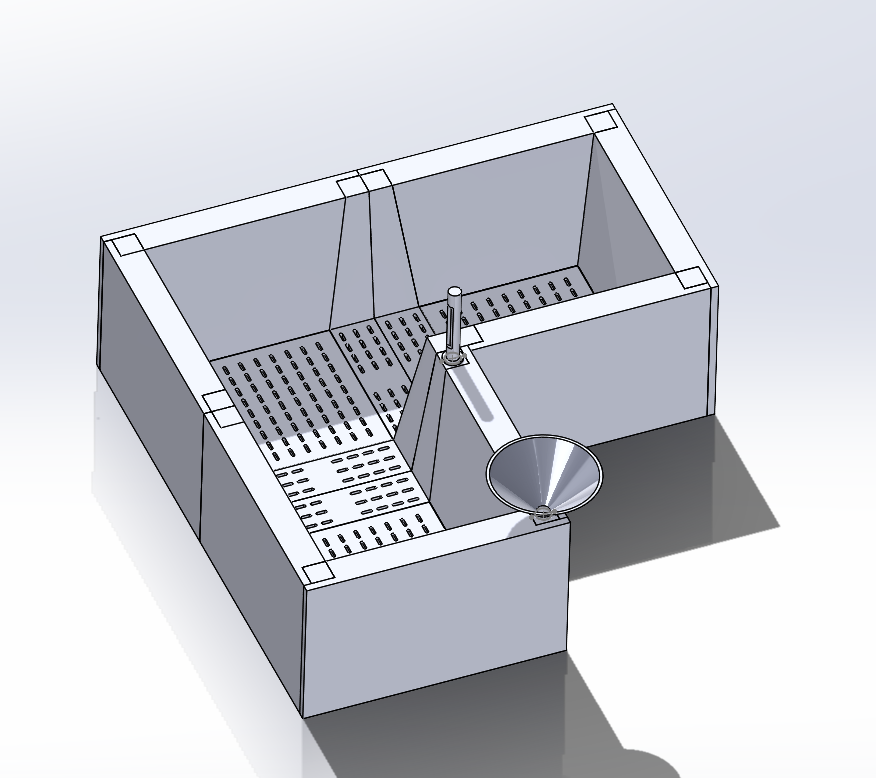
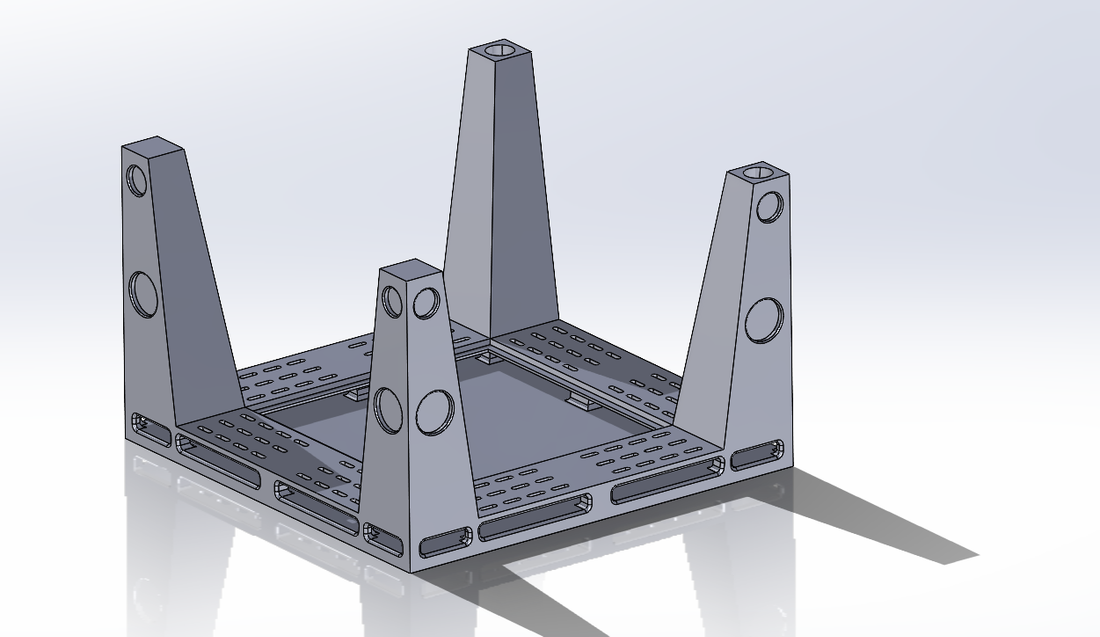
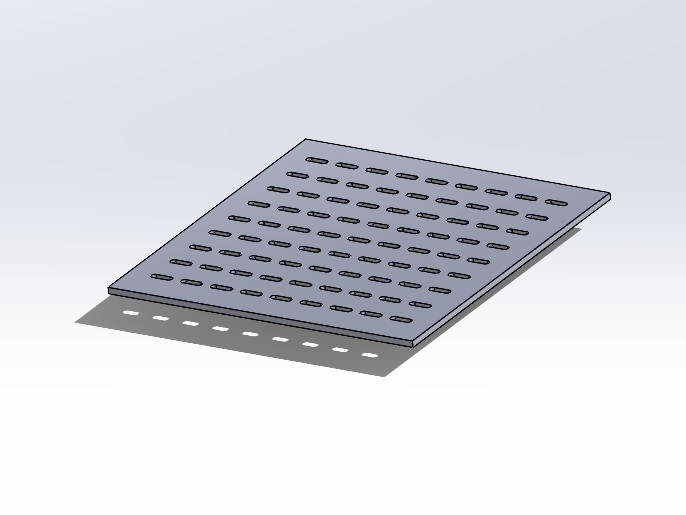
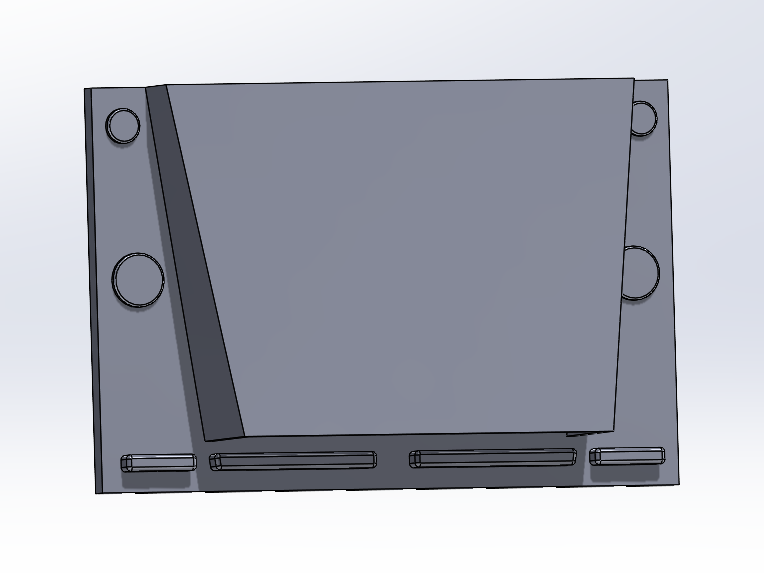
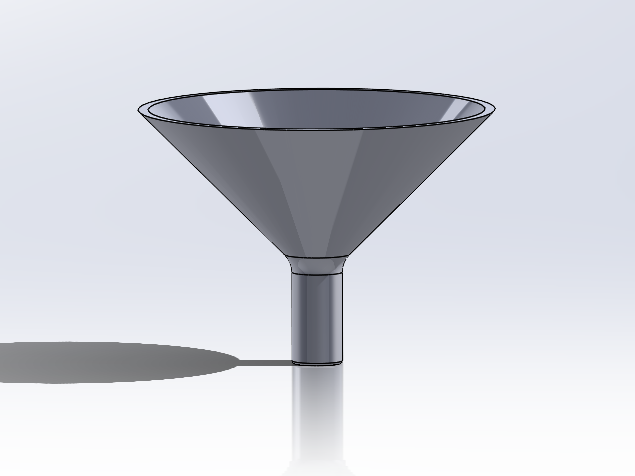
The Urban Window Garden was made up of 5 main pieces including:
- The Base (Male and Female Configuration)
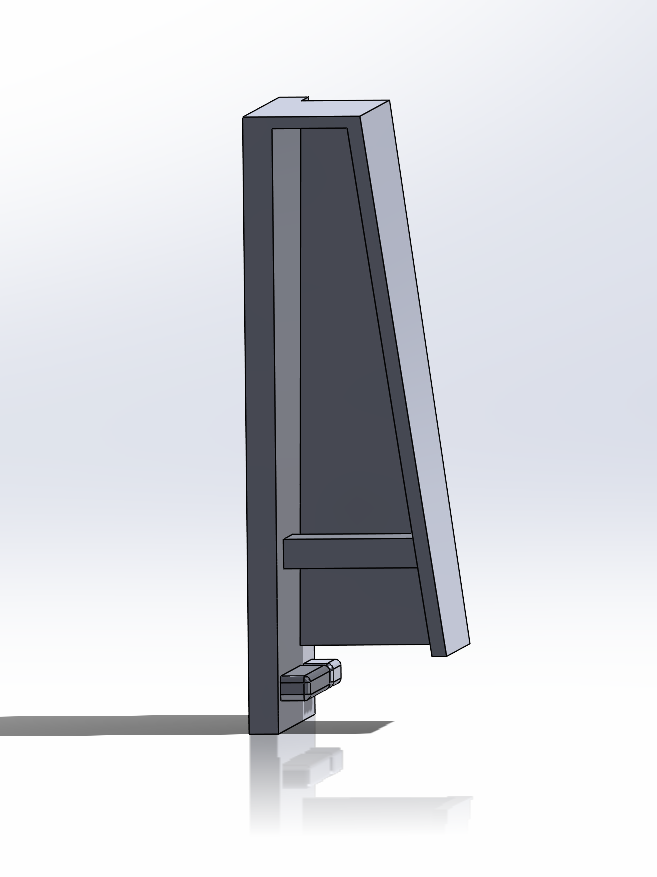
- Walls (5 configurations)
- Base Plate
- Funnel
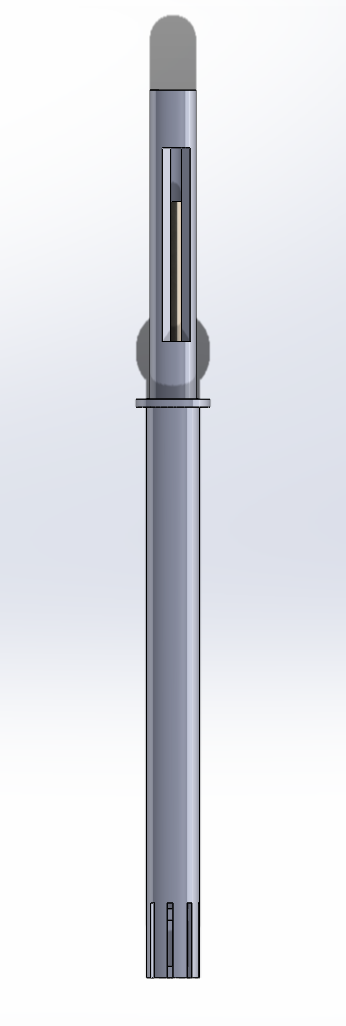
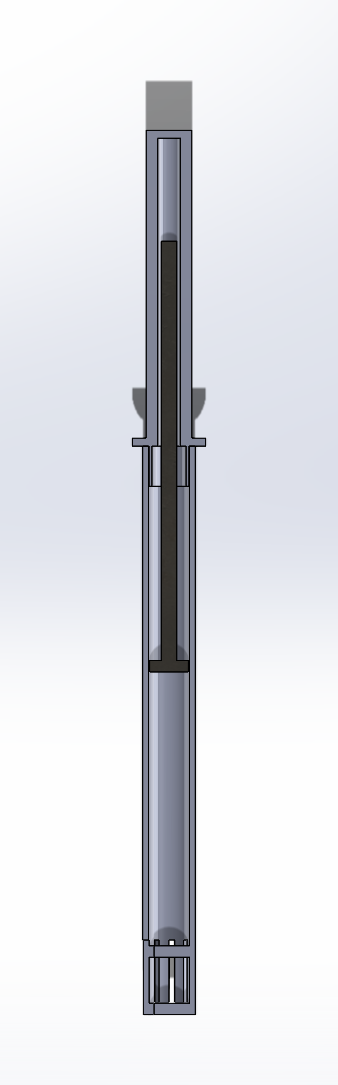
- Water level monitor (a sub-assembly made up of 3 pieces with a Styrofoam ball, not pictured)
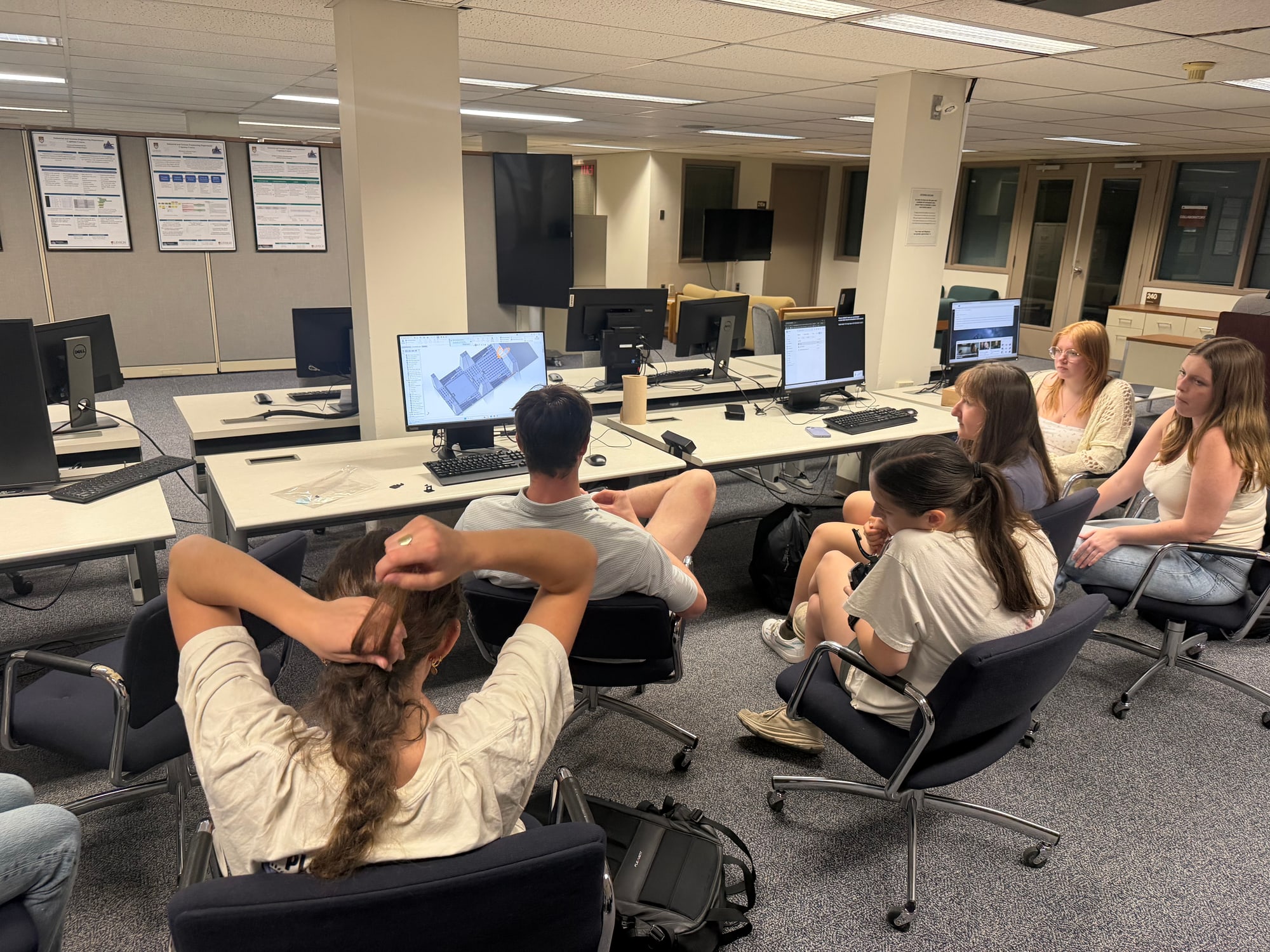
My responsibilities included designing everything but the water level monitor and creating functional assemblies with different configurations of the garden.
Modular System
The Urban Window Garden was designed to be modular like a Lego set to enable it to be built in different configurations. Since students in college change living situations every year, we designed a garden that they could adapt to their living situations. The plan for launching this product was to sell it in different kits with base and extension kits.
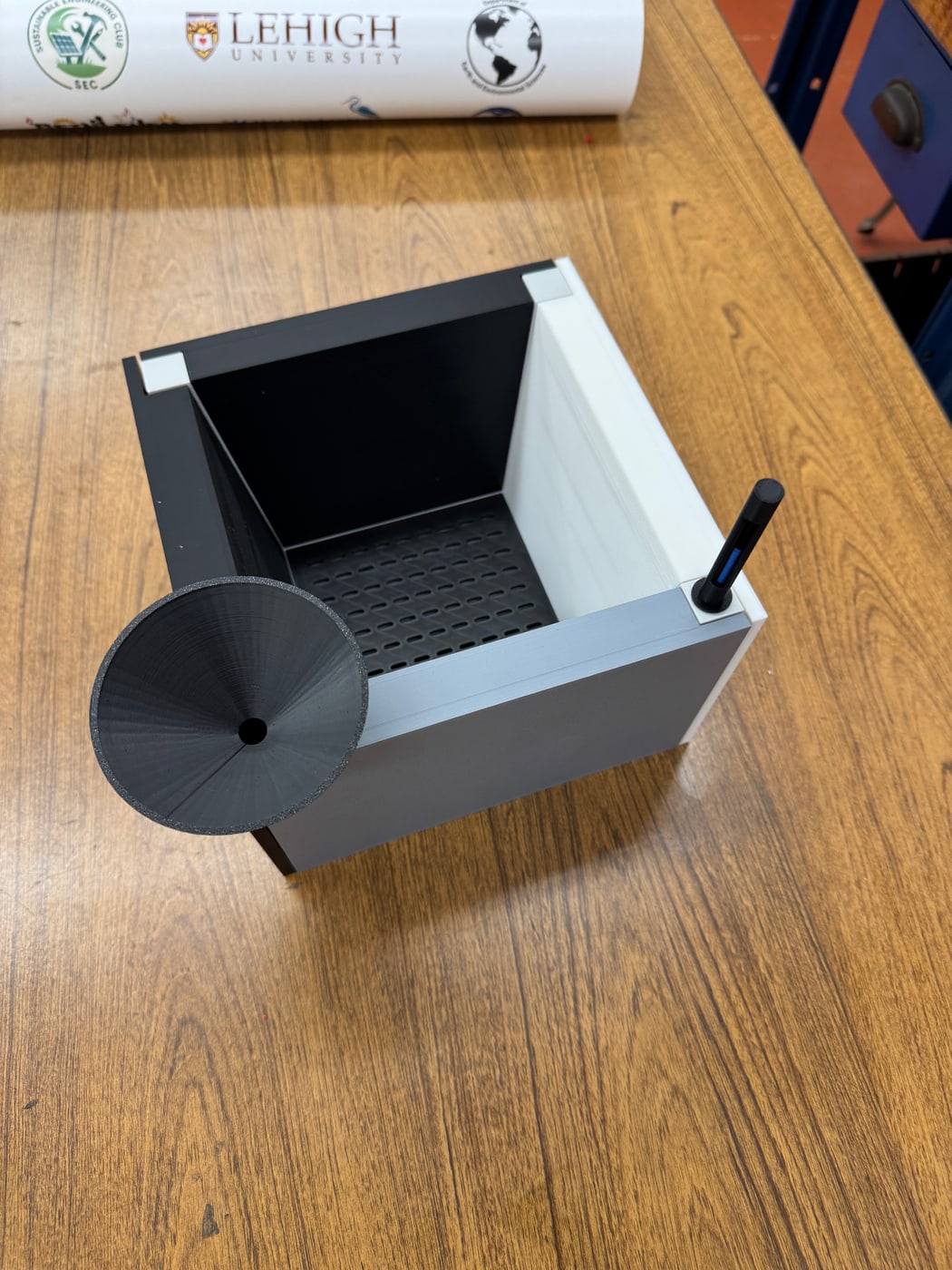
Every base kit comes with a female base, four walls, a base plate, a funnel, and a water level monitor. The female base has holes in two of its columns to hold the funnel and water level monitor. It is essential for every configuration as it is the only piece that has an intake for the funnel (where water feeds in) and water level monitor. Each female base has female snap mechanisms on each of its sides where walls and male bases can fit. To put the system together a user snaps the walls into the female base, places the base plate on its designed indentation, and slides the funnel and water level monitor into their corresponding holes.
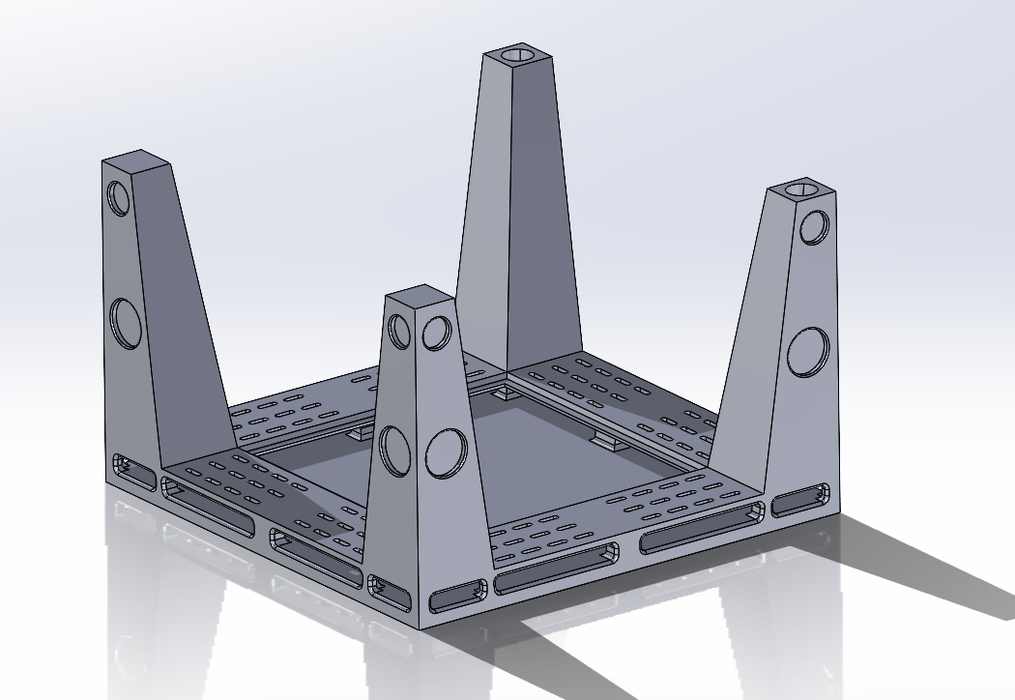
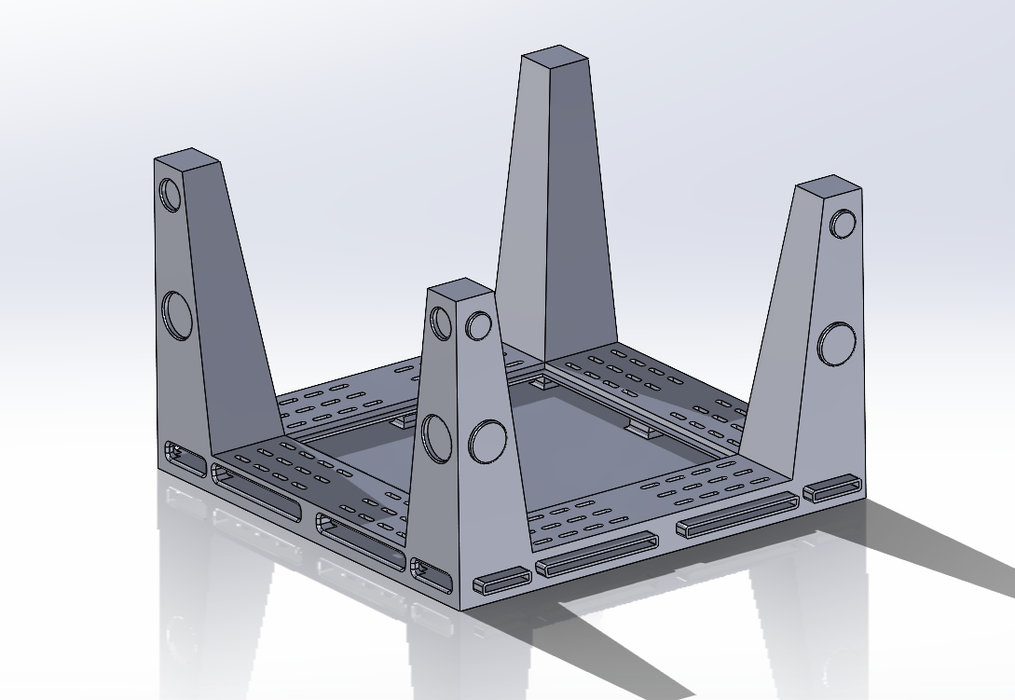
Every extension kit comes with a male base, a base plate, and walls. The male base is almost identical to the female base except for the fact that one of its sides has a male snap mechanism and that it has no top holes. An extension kit enables users to extend the Urban Window Garden in all four directions and create interesting configurations such as a corner garden that could fit around a sink.
The initial prototype was made with PLA. Figuring out how to get the walls to snap fit together was probably the most challenging part. With 3D printing being inconsistent in its nature it was challenging to create successful snap fits. For the initial prototype the bottom snap fits consistently worked with the male base and walls, however the ones on the columns were hit or miss due to having a much shorter contact length.
Self-Watering System
Students spend a lot of time outside of their dorm and frequently go home for Thanksgiving and winter breaks. These two factors alone make it extremely challenging for a student to take care of a plant. Therefore, we designed a self-watering system. This system goes hand in hand with the modularity.
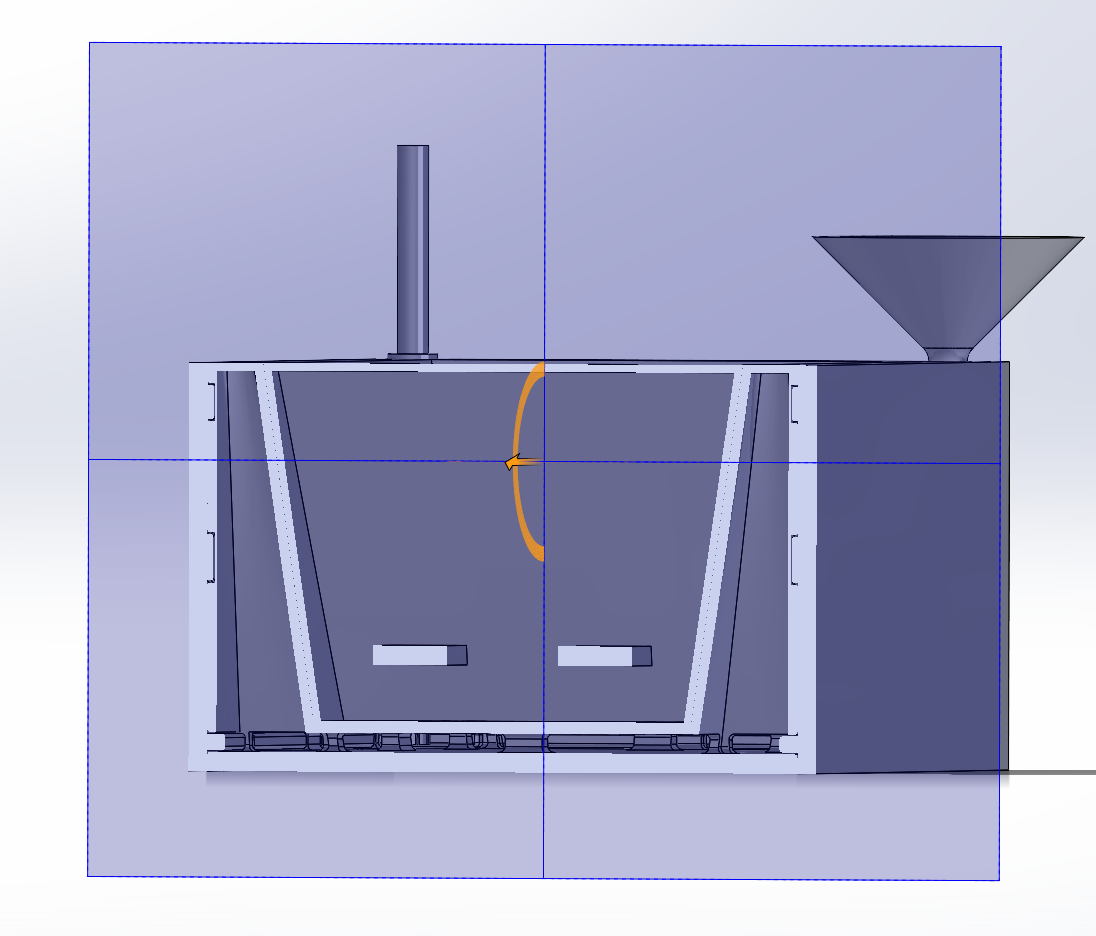
A user first pours water into the funnel which filters into the columns, walls, and undercarriage of the base which is all hollow. The base plate is filled with holes which are wide enough for water to seep through. As the undercarriage gets filled, the soil takes in water until it gets saturated, allowing the plant to water itself through capillary action. Once the soil becomes saturated, the excess water fills up the hollow walls and columns. In one of the columns sits the water level monitor which has a Styrofoam ball that floats. The ball pushes the water level reader upwards as the water level increases. This indicates to the user how full the columns and walls are.
To allow or restrict water flow in a modular system, I had to design different types of snap mechanisms. On each wall the bottom snap component was closed off blocking any water from flowing through. On each male base the bottom snap component was open and hollow allowing water to flow through and evenly disperse itself throughout any configuration.