Sustainable Engineering Club
Background
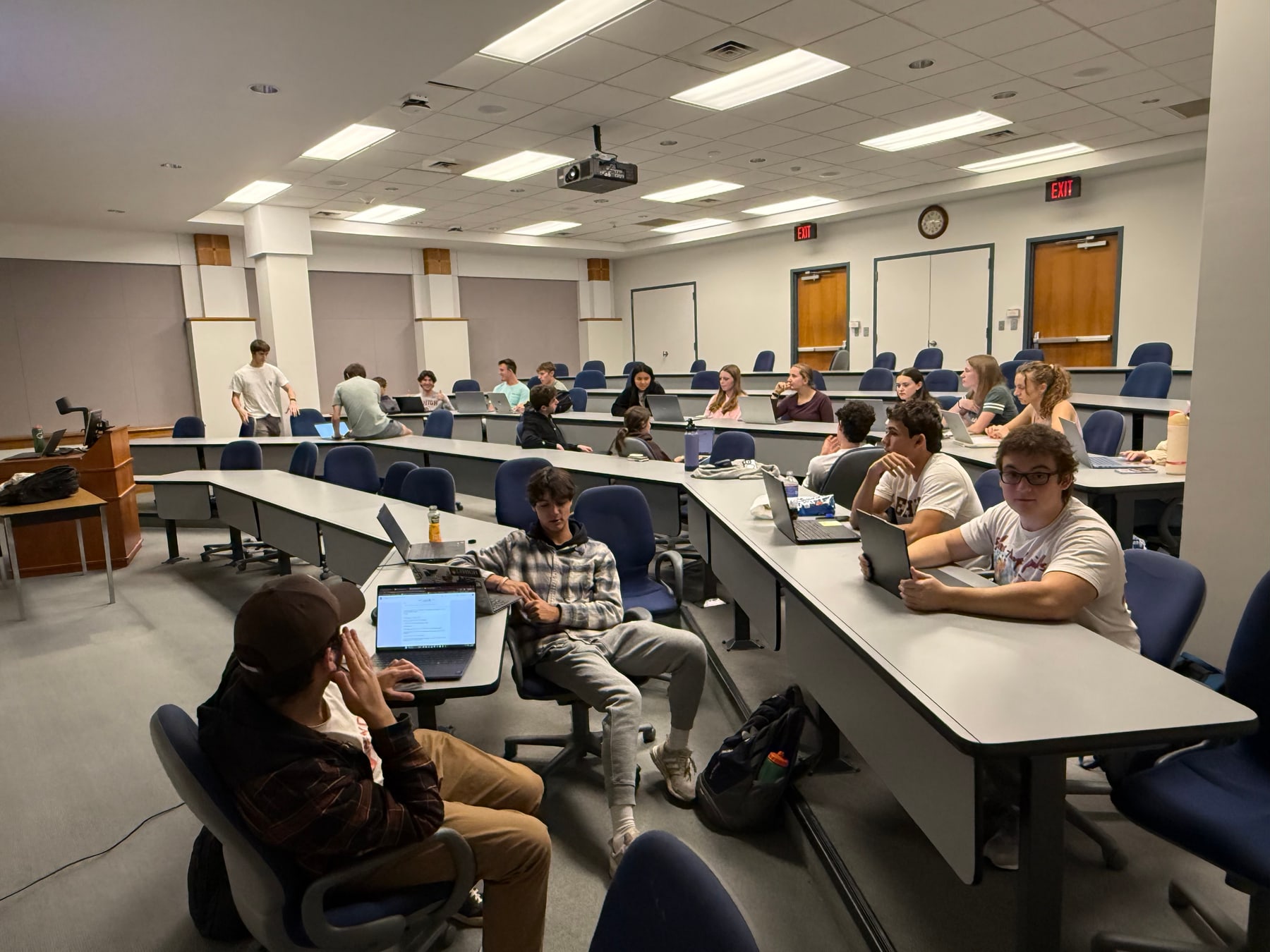
After taking a concept development course, I co-founded the Sustainable Engineering Club my sophomore year (Fall 2025). I wanted to go a step further by actually creating the products. The club’s mission is to create an interdisciplinary environment where students can design and develop products that benefit the campus and surrounding community. This year the club has 200+ members in our GroupMe with 50+ members attending our general body meetings.
My Role
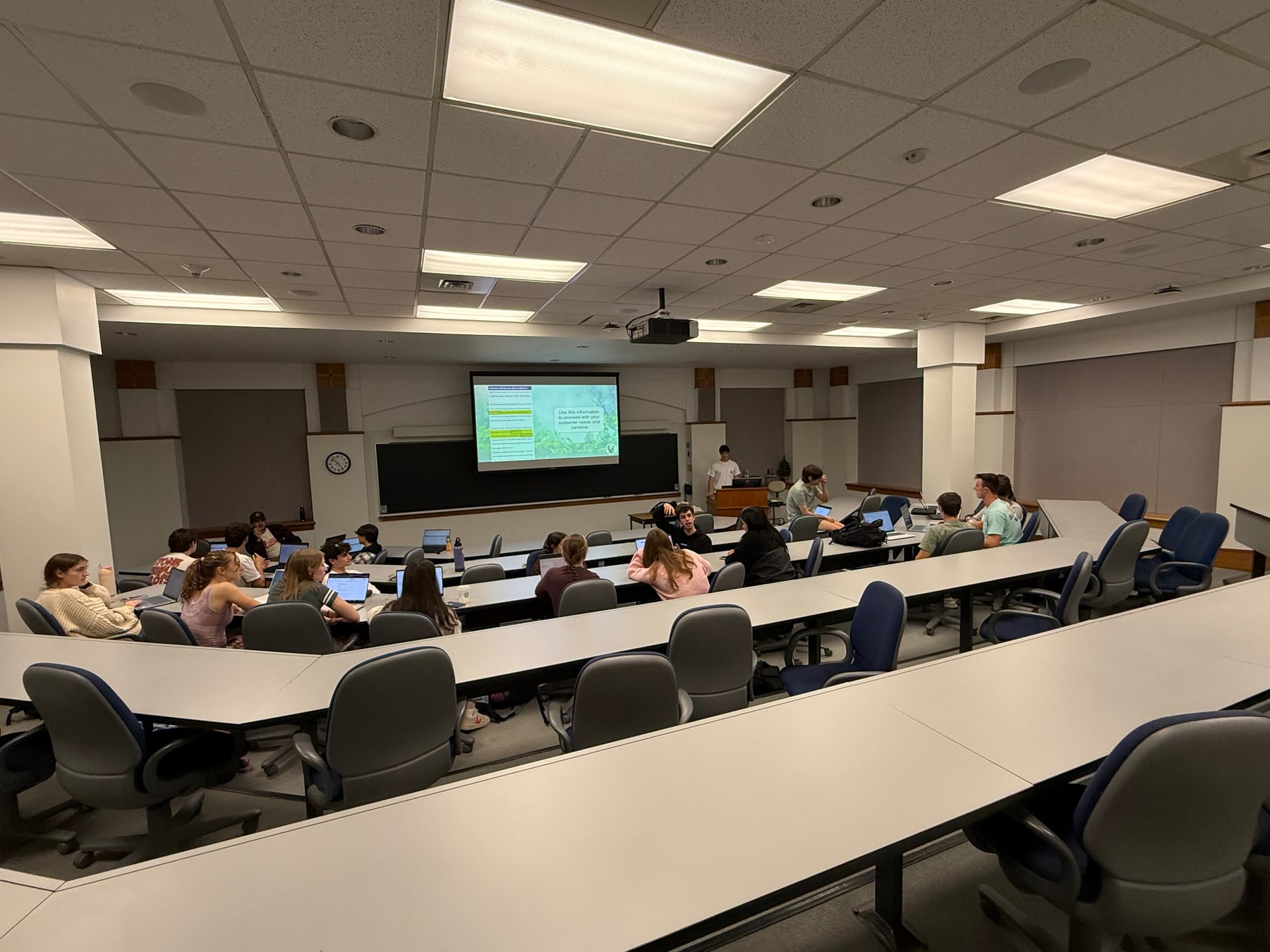
As President of the club, I create slide decks and facilitate information about the entire product design and development process with our active members. We start with market research by sending out a customer survey to ensure that we are designing products that target customers’ needs. We analyze competition, develop a features-needs matrix and zone in on a target segment and customer persona. After thorough research and planning, we transition to concept and product development which is led by project leads. During general body meetings, I circulate around all of the different groups answering questions, providing help with deliverables, and facilitating conversations. Outside of general body meetings, I design parts and build prototypes for the projects. Other parts of my role include coordinating company visits and design reviews, securing $5000+ for my club through the university, and developing relationships with University Administration and Government Officials so that we can collaborate to leave a positive impact on our campus and surrounding community.
First-Year Projects
The first year of the club we focused on three projects: A low-cost air quality monitor, an urban window garden, and a movement desk.
The goal of the Air Quality Monitor is to test dorms without AC and old buildings. We designed custom casing, a custom PCB, and created a database through Supabase so that we could read data from different parts of the university and compile it into one dashboard. We successfully built a proof of concept prototype for this by the end of the year.
The goal of the Urban Window Garden was to get more greenery around campus. We designed a modular system so that a user could build their own custom garden. The system was designed to water a plant through capillary action and had a water level monitoring system that was custom designed. Due to challenges with PLA not being watertight and us having to switch to ABS or a polycarbonate which would be much more expensive to continue the project, we decided to put it on the shelf for now.
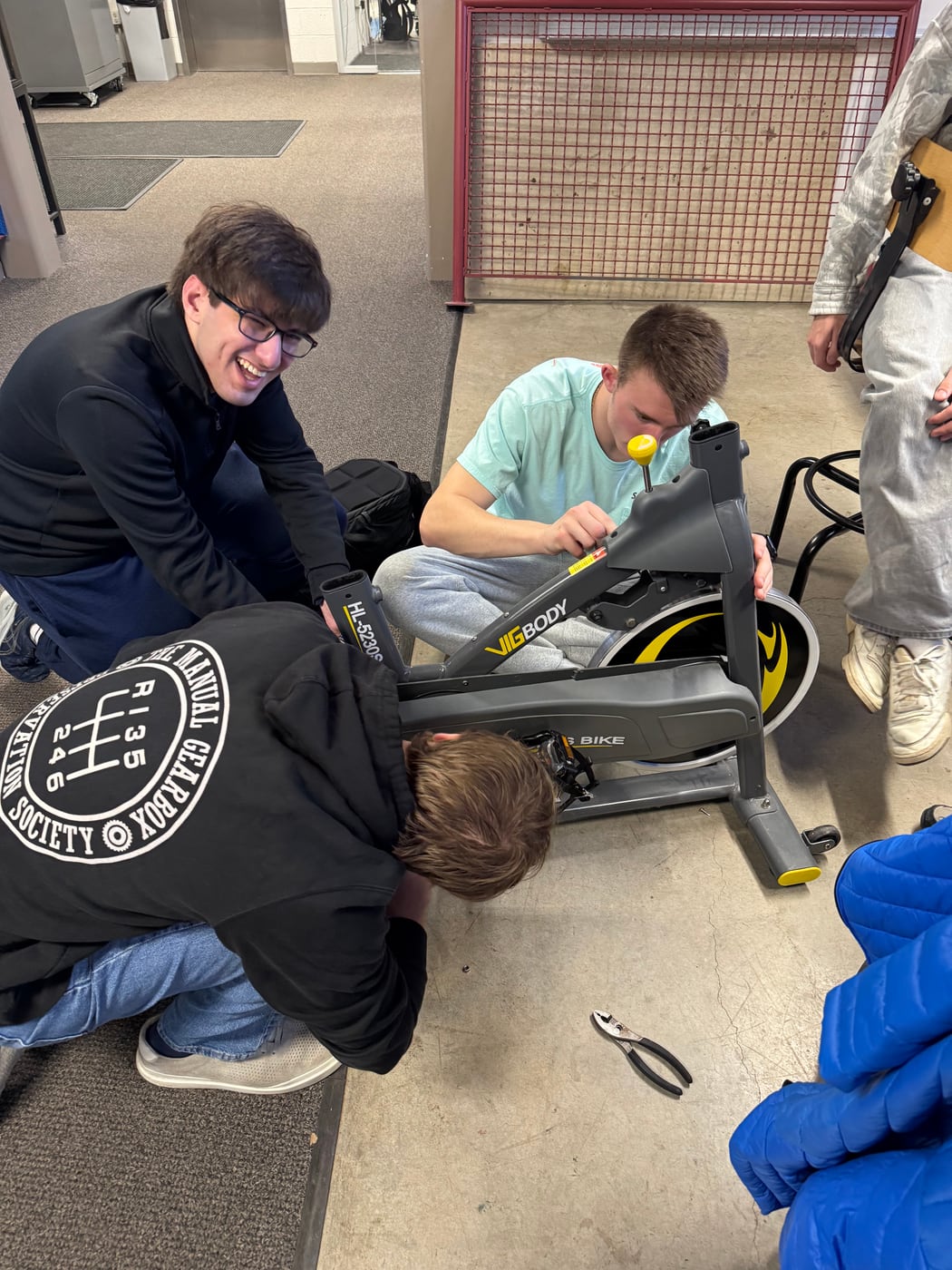
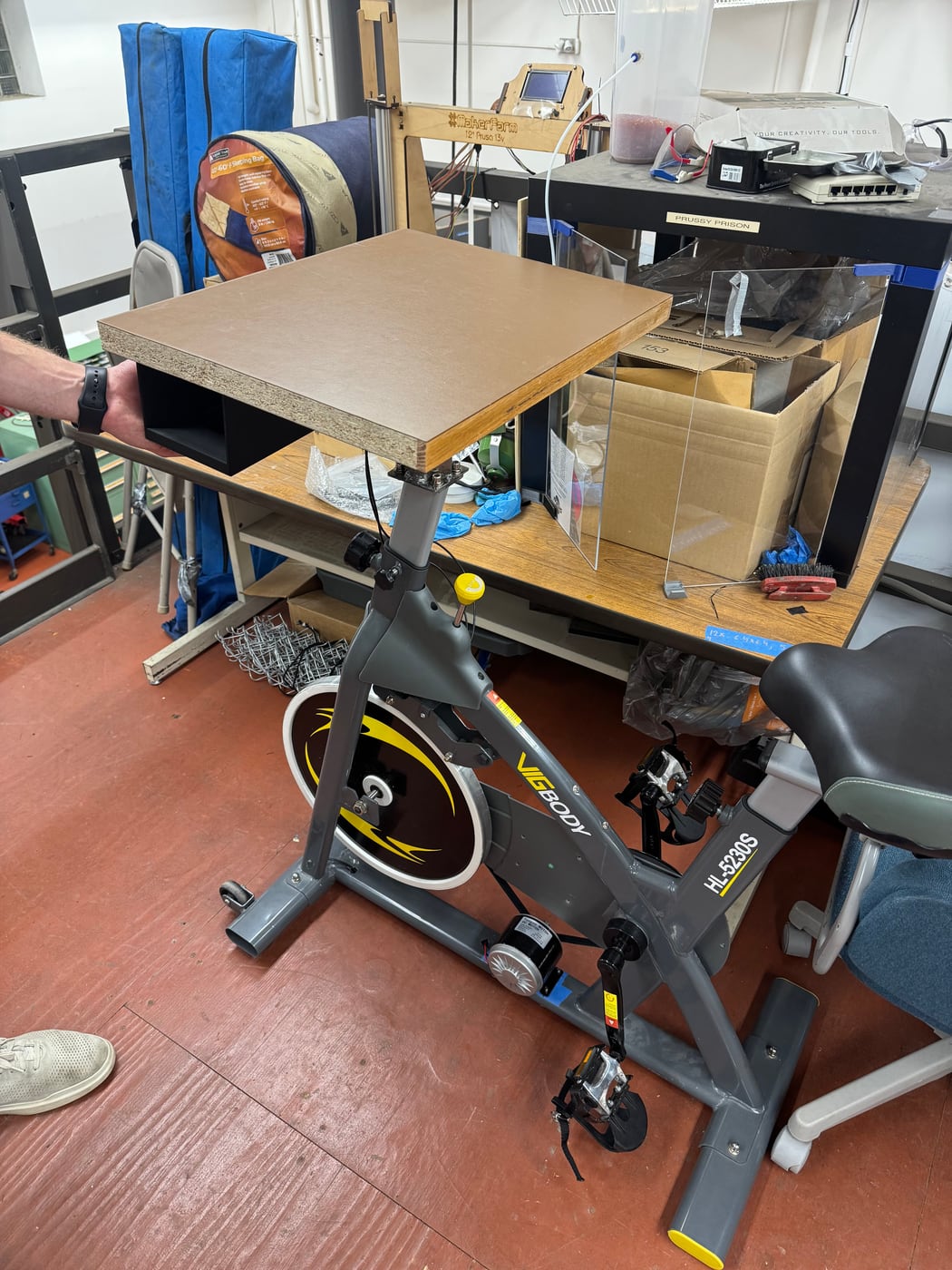
The goal of the movement desk was to allow students to get blood flow to their brain while they study. We took apart an old exercise bike, welded a desk to it, attached a custom motor to it, designed a custom motor sheave, and designed a charging box so that we could use the energy from pedaling to charge a phone. From the customer survey, the main distraction point students brought up was the phone, so designing a custom phone box where the phone would be out of sight out of mind while getting charged attempted to solve this problem.
After finally getting access to lab space in March, my co-founder Elliot and I decided to work on a new project called Creek Guard: a waste collection unit for local rivers. We designed and built the first prototype ourselves and decided that it was going to be our hands on project to teach underclassmen how to use different tools in the shop.
Winning Innovation Alley
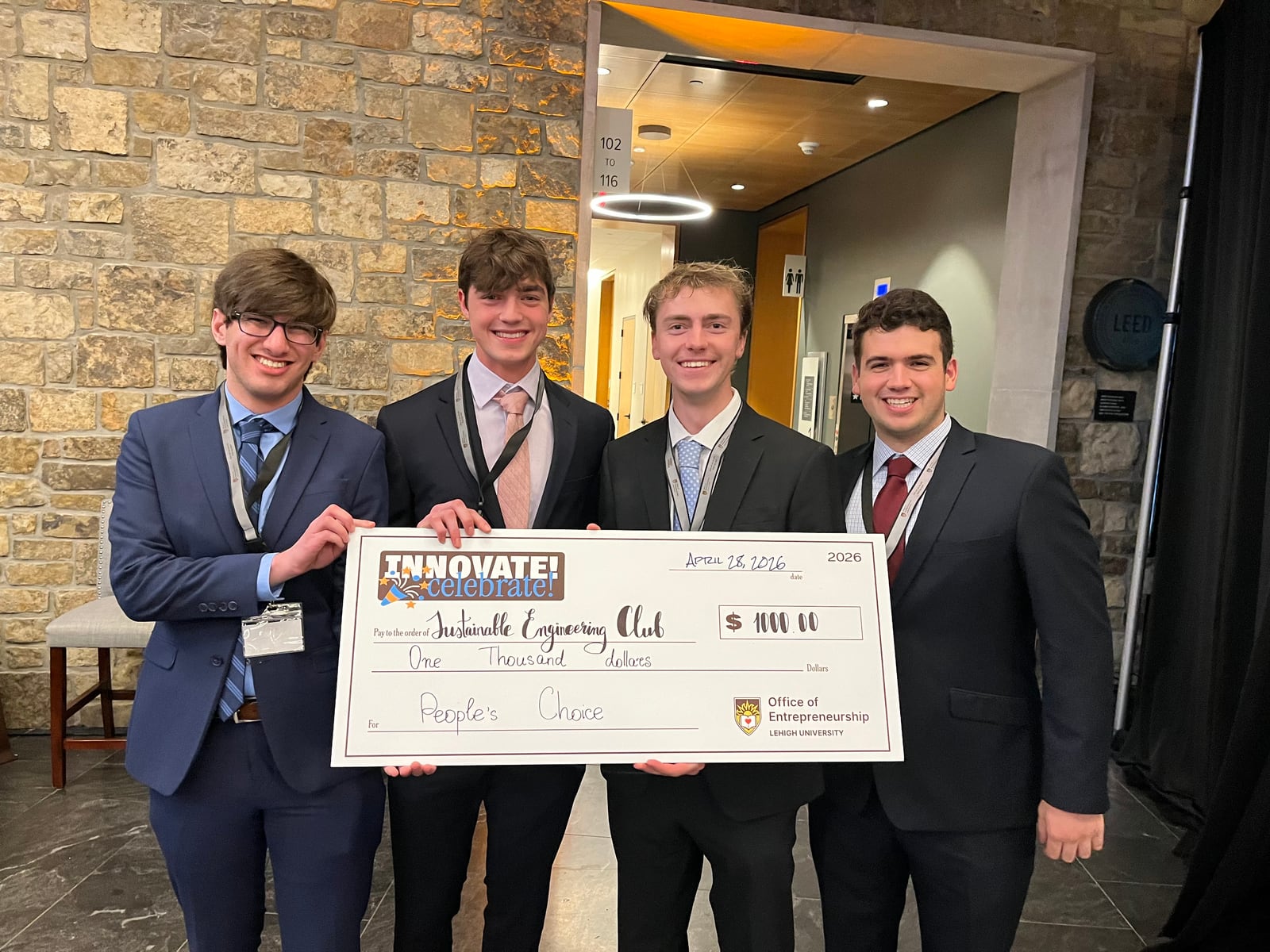
Innovation Alley is a yearly Lehigh University pitch competition where students from around the University pitch projects they’ve been working on to “investors”. “Investors” are given “money” to go around and invest in the projects they like the most. There were over 20 teams competing for investments from administration and alumni. We brought our 4 projects to the competition and ended up winning, securing a prize that helped us cover our costs for the year. At this event I was also recognized as the recipient of the Donald E. Flinchbaugh Memorial Endowed Scholarship – a scholarship dedicated to a student who exemplifies technical leadership and entrepreneurial passion.
Second-Year Projects
For our second year we are focusing on four projects. The air quality monitor and the creek guard are continuations of the previous year, and we have two new projects that are problem focused. At our first general body meeting, we orchestrated an activity called crazy ideas where we passed out sticky notes and had our members write down problems that they notice no matter how big or crazy. From this we chose to work on solutions for stormwater runoff and energy loss in homes and dorms. We wanted the club to be more problem focused this semester so that we could develop a solution that was needed instead of something that nobody would actually want.
A big shortcoming of ours in the first year is that we only talked to customers at the beginning of the process, leading us to design products in a black box. To prevent us from repeating this mistake in future years, Elliot and I visited the Baker Institute (Entrepreneurial Center of Lehigh University) and developed a relationship with the director who we are working close with this year to develop products that can not only function but also succeed in the marketplace.
One of the problems with the club its first year was that a lot of underclassmen struggled to contribute because they didn’t have the skills from upper-level classes yet. To prevent this from happening again, we now host 3 workshops a week outside of our general body meetings.
Weekly Workshops
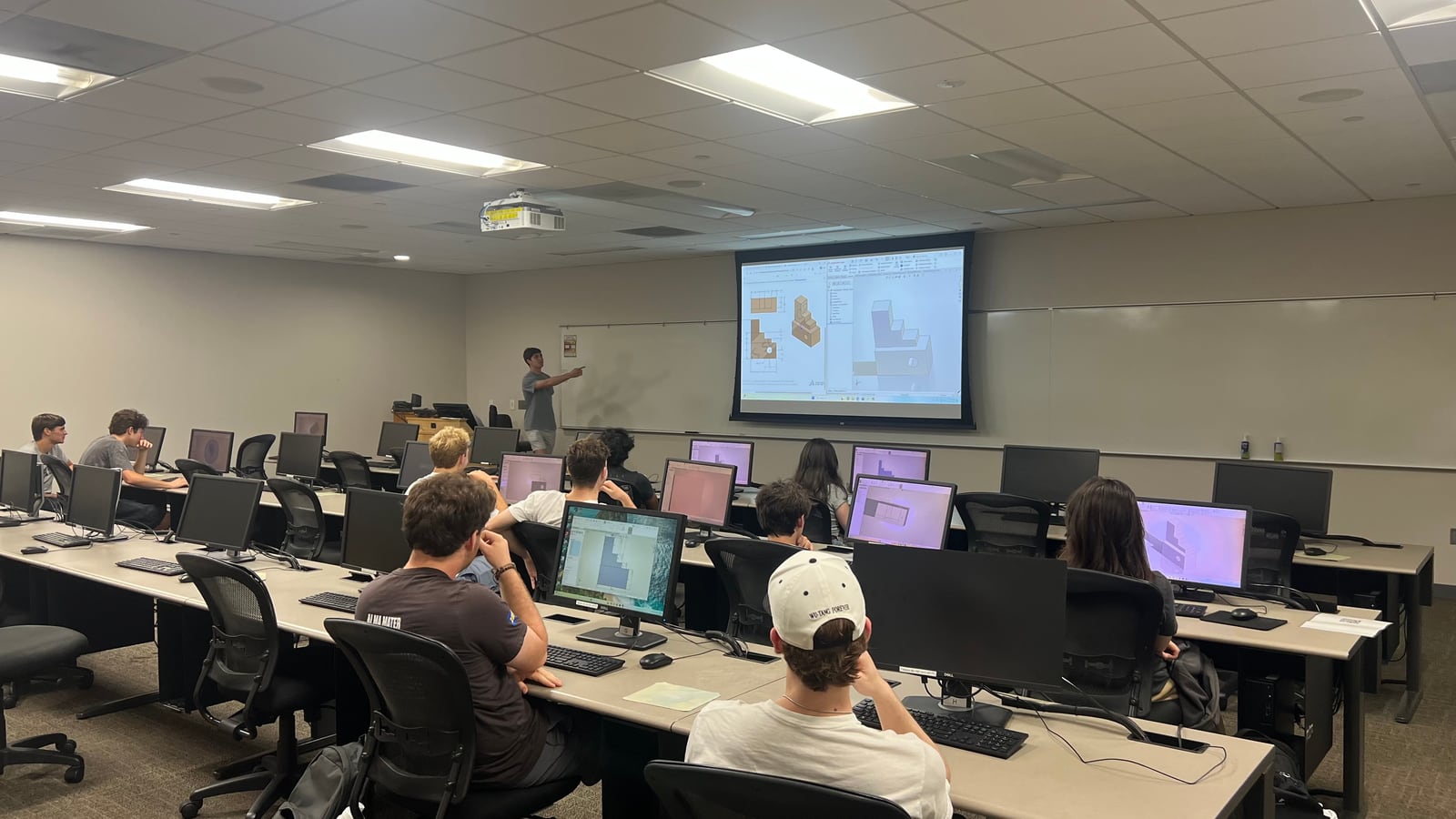
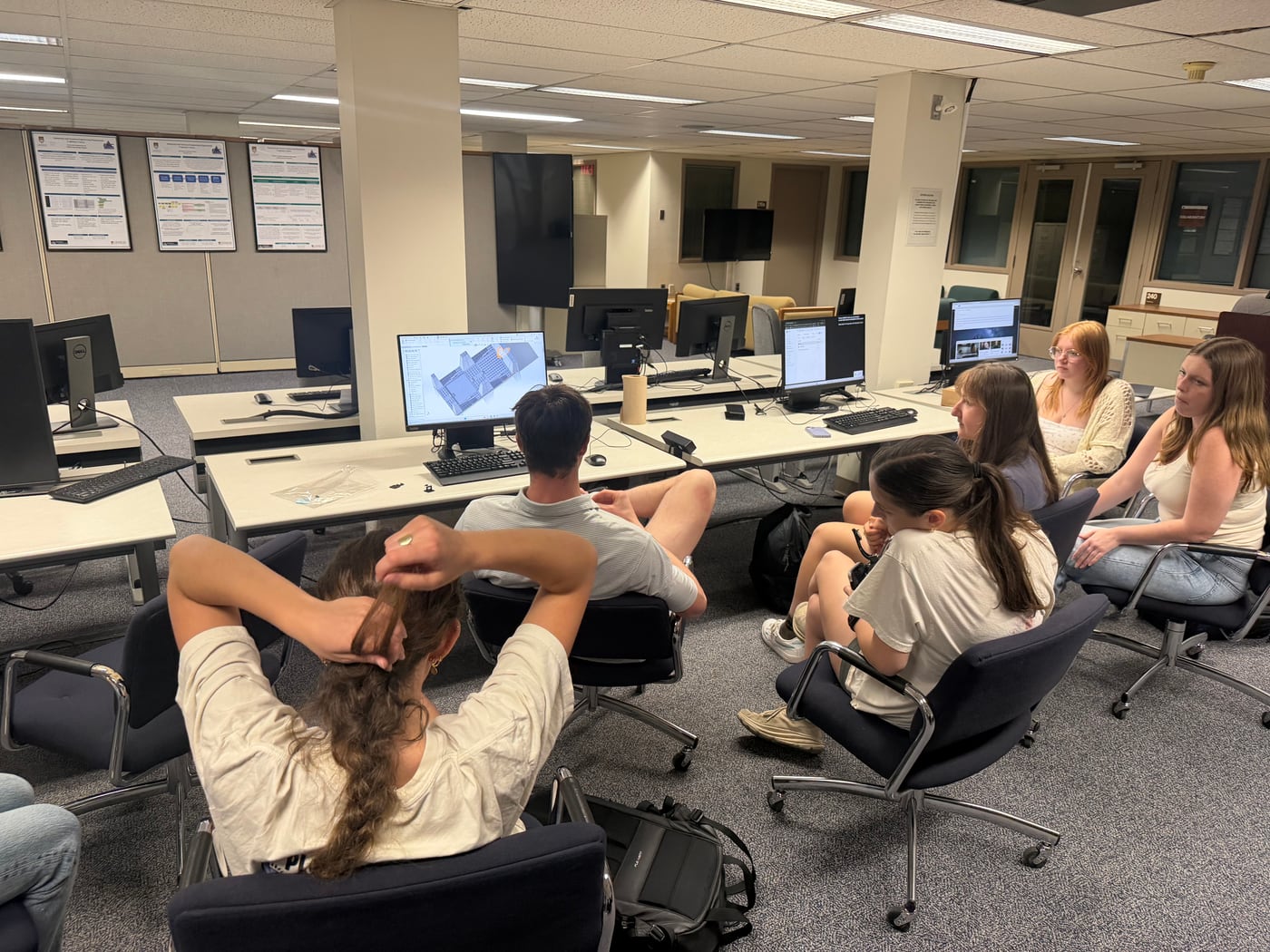
On Monday we collaborate with the Baker Institute to lead a customer discovery and business development workshop to ensure that we have the customer in mind throughout the entire design process. On Thursday, I lead a SolidWorks CAD workshop where I teach underclassman about the software and design intent and on Saturday my co-founder Elliot leads a hands-on workshop where he teaches students how to use tools in the lab.