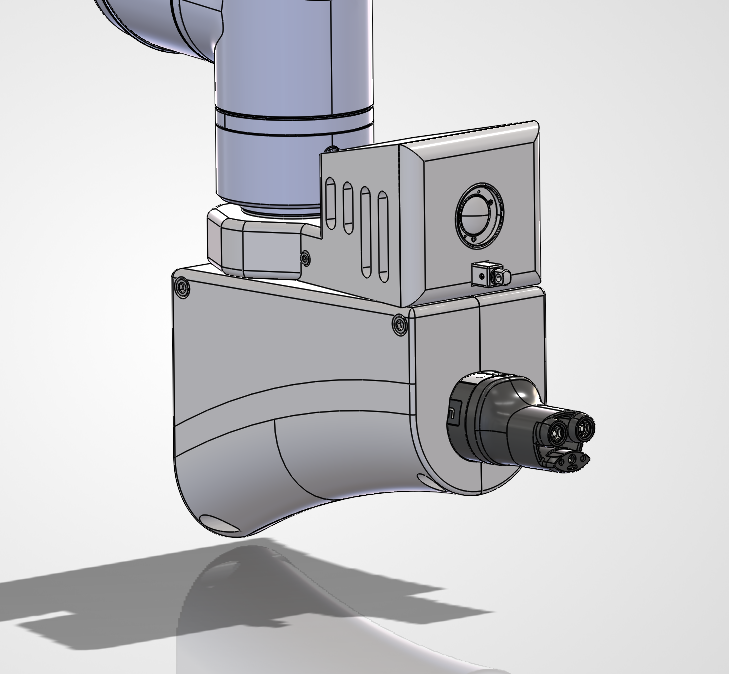
AURA Charge
Background
The summer after my sophomore year I interned at Joule Labs, a startup in San Francisco whose goal was to provide autonomous servicing for autonomous vehicles. While I worked at Joule Labs, I was the lead design engineer on a project that involved automating charging.
Automating Charging
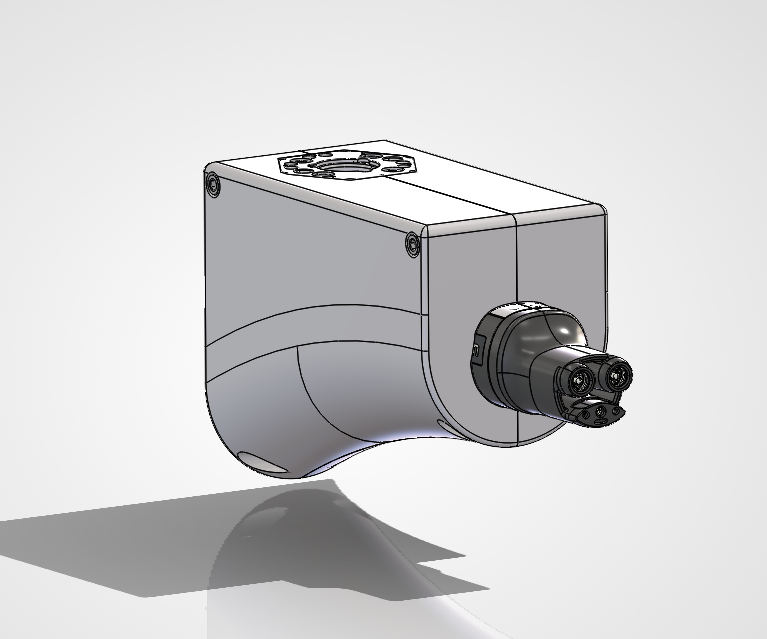
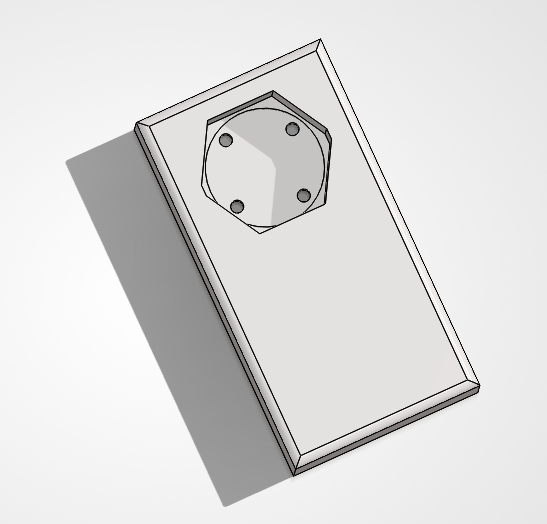
To automate charging I designed an end effector. By itself a robotic arm can only move linearly and rotate. In a factory if a robotic arm’s job was to pick up pipe, the clamp attached to the end of the robotic arm – the tool that gives the arm its function, is called an end effector. My work involved designing an end effector to automate charging. My design was comprised of two main components: The master plate (top piece) that was bolted to the robotic arm and the tool plate (bottom piece) that held the charging component. A mechanical lock was used so that both parts could attach and detach from each other. Modularity allowed the robotic arm to be mounted to an overhead rail and service multiple vehicles simultaneously.
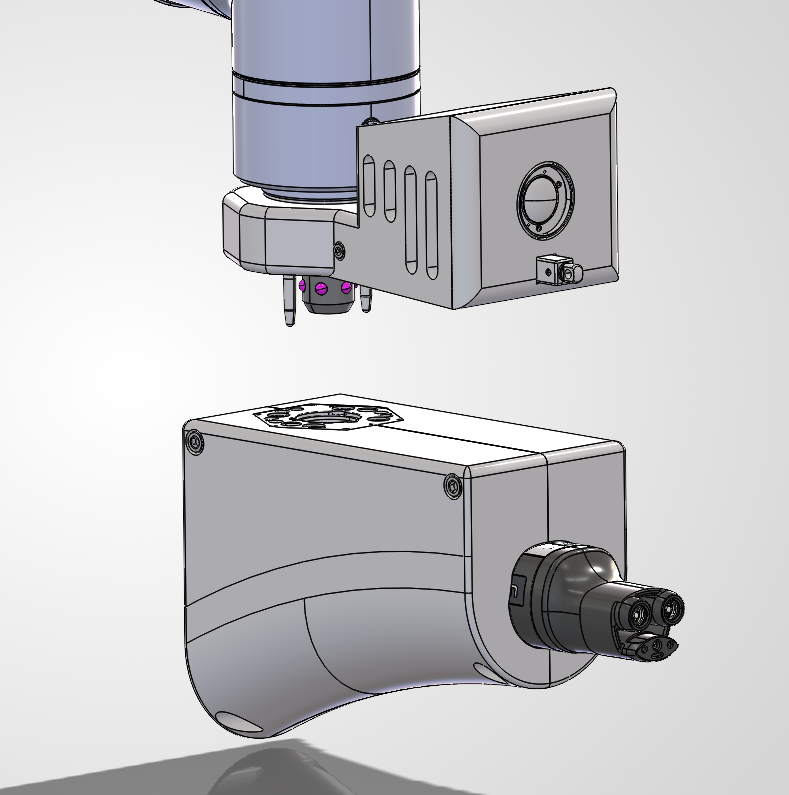
Master Plate Design
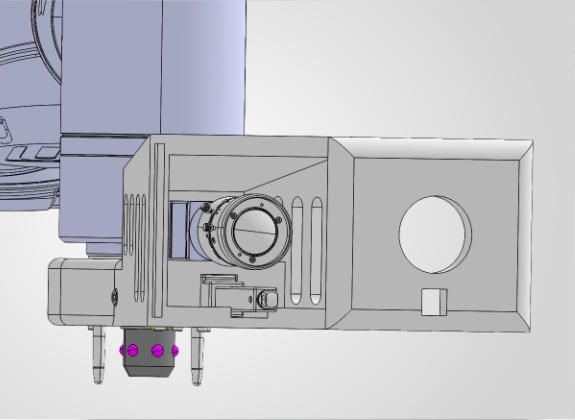
I designed a new master plate. The master plate assembly contained a camera, electrical actuator, and mechanical lock. The camera was connected to software that helped the system recognize its coordinates relative to the car and tool plate to properly align itself. The electrical actuator opened and closed the car’s gas canister, and the mechanical lock attached and detached the master plate to the tool plate when needed.
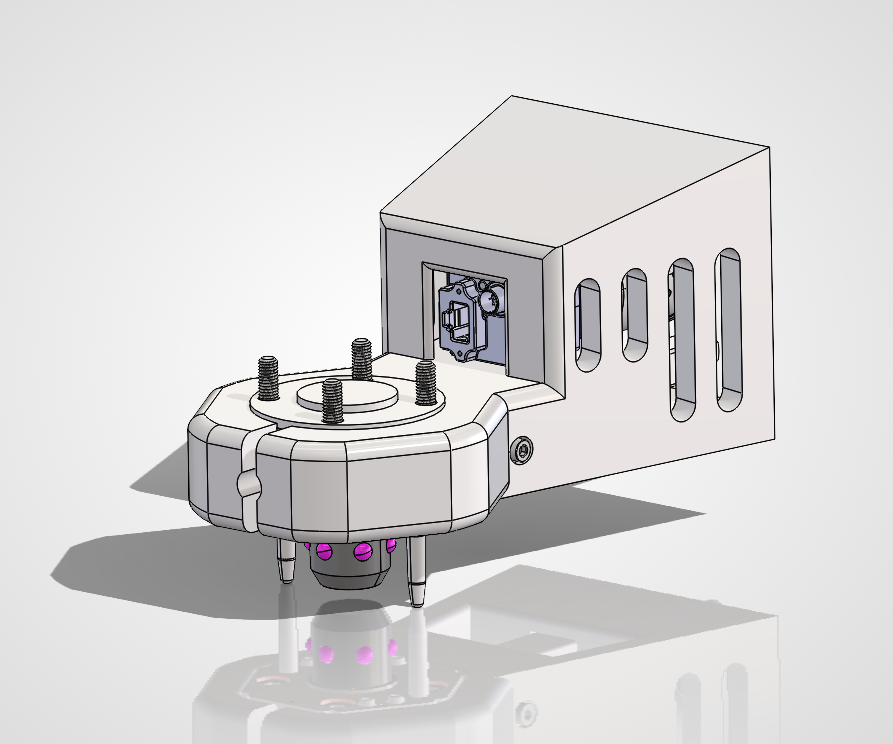
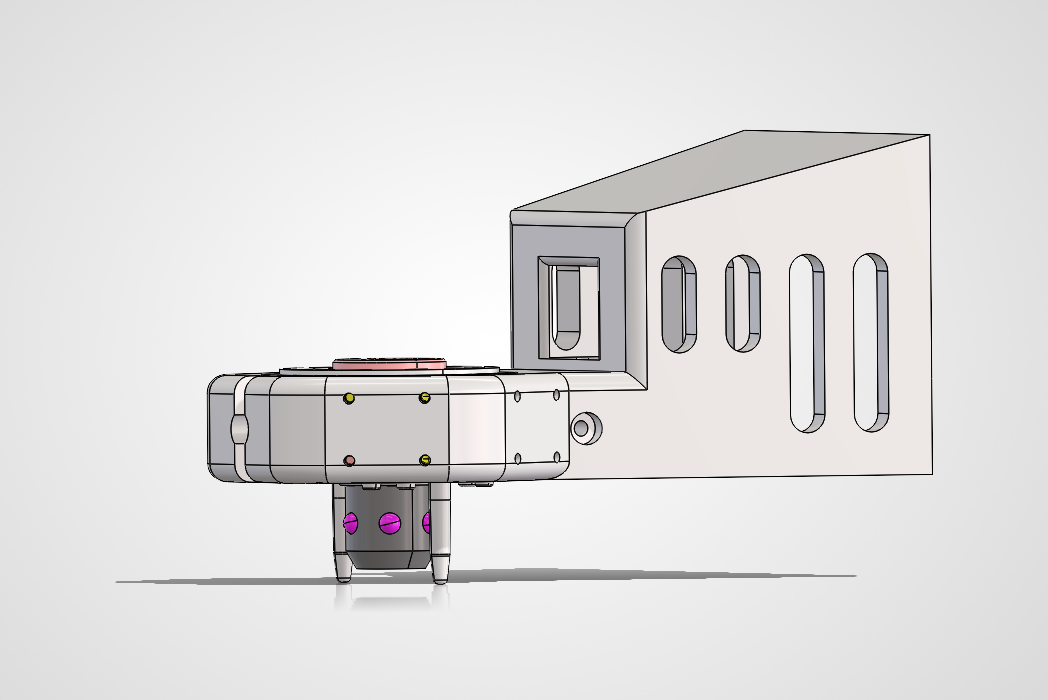
The two iterations of the master plate that I designed differed only in the way the mechanical lock was mounted. In my design, I made sure that the product could be easily assembled and disassembled so that a technician could easily maintain it. Furthermore, I designed a lens cap that snapped onto the front of the master plate, giving the product a clean external look
Charging Standards
There are two main charging standards that exist in the United States. NACS (North American Charging Standard) developed by Tesla and commercialized by the government and CCS (Commercialized Charging Standard) developed in Europe. While they both still exist in the US, the industry is transitioning to primarily using NACS.
Universal Adapter Design
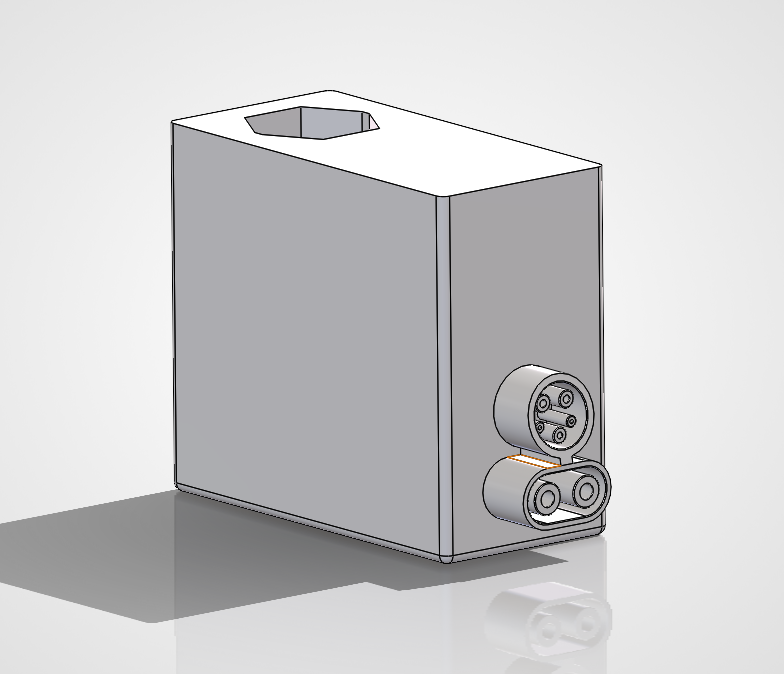
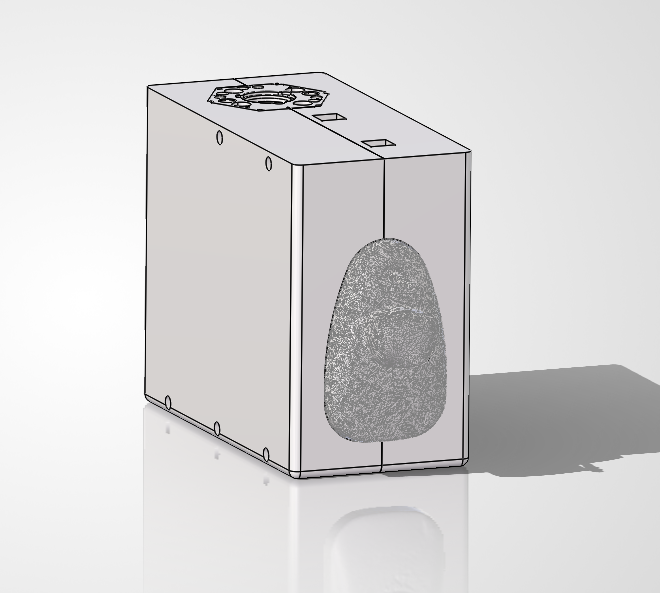
To address the industry shift, my manager sought out to create a universal adapter. Similar to how recreational adapters work, this would snap into the end of a charger and then get directly plugged into the car. There would be four versions produced: CCS → CCS, CCS → NACS, NACS → NACS, and NACS → CCS. I designed 2 preliminary versions of this adapter.
Problems with Universal Adapter
However, after conducting interviews and doing my own research, I discovered some problems with this business plan.
- Injection molding four custom parts with embedded wiring is extremely expensive.
- Part of the reason we were developing this part was to solve a problem with EV charger pin maintenance. However, EV charger manufacturers were in the process solving this problem themselves, so we shouldn’t have been focusing on it.
- The mismatch between EV charger’s software and vehicle communication standards causes connection issues, so adding another point of contact would only enhance this problem.
- A company could simply hire a team to retrofit their chargers instead of buying our product.
Pivoting to a Clam Shell Design
After taking all of this into consideration, I decided to pivot to a clamshell design with support from the company. The benefits of this design were that it was much cheaper to produce and that it required a one-time installation. A drawback was that the clam shell would have to be custom designed for each new charger. However, research on competitors in this space revealed that this was the current industry standard which was validation.
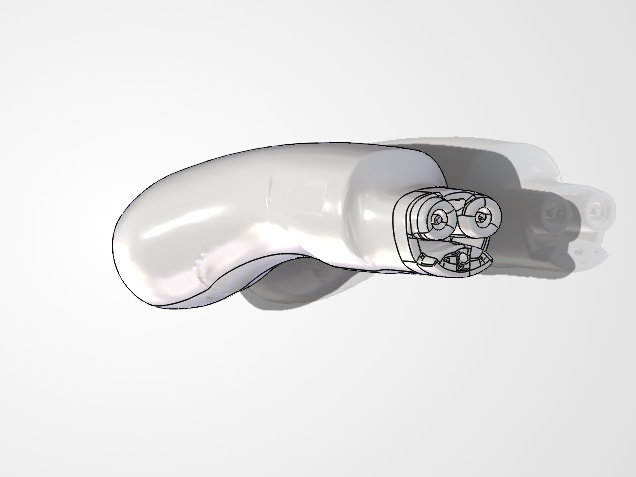
The CEO of the company tasked me with creating a digital twin of the entire assembly so that he could close a potential client. This twin was modeled around a NACS Sinbon Charger which the client was using. I took the assembly of the EV charger and ran it through a very specific process in Rhino 8 which outputted a solid mesh body of the charger. I then designed a sleek clam shell around the charger
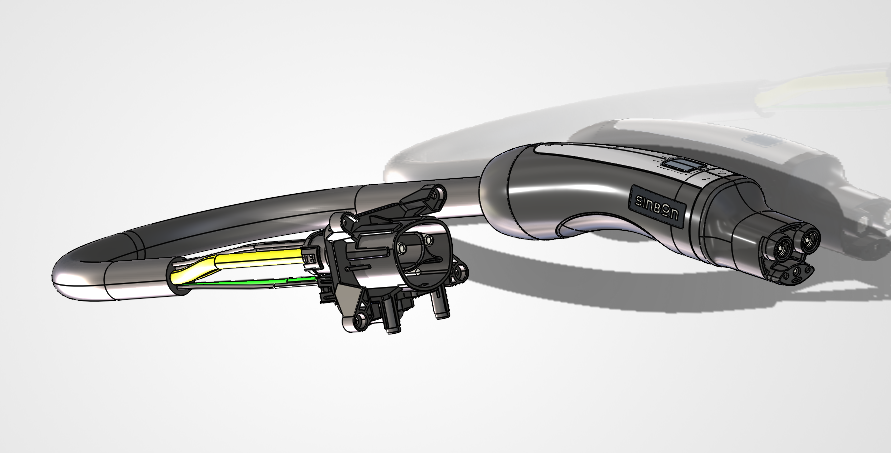
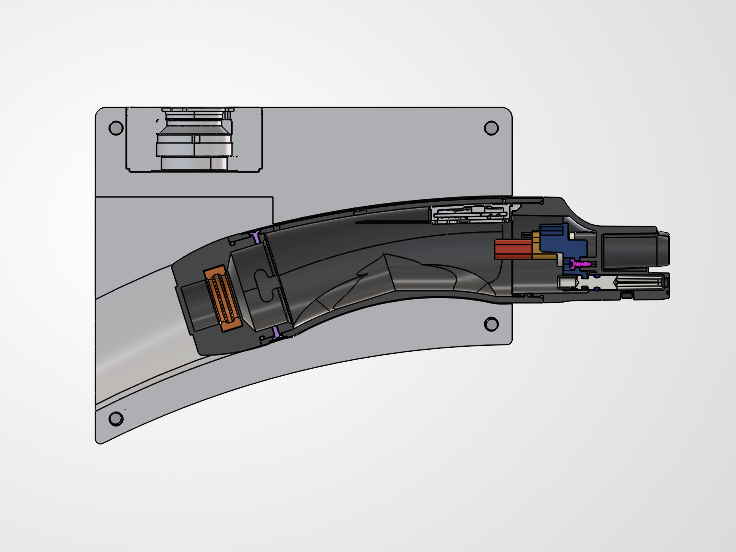
I created a universal top of the tool plate which contained the female mechanical lock and space for a barcode that the camera could scan to align the system. The universal top was modeled in context of the master plate so that the two parts would always sit flush together. I left my managers instructions on how to replicate this design process with other EV chargers. By doing so, I mitigated the problems that come with customization and enabled future engineers to pick up where I left off.
What I learned
As an engineer, it is extremely easy to get stuck on one idea and work in a black box. Consistently doing research and having informative conversations can reveal to a design engineer when it is necessary to pivot. This experience taught me how important it is to talk to customers throughout the entire design process. Their perspective can save engineers from designing a product doesn’t have product-market fit.